
TOP STORIES

Grain Management Takes Controlling Stake in Michigan Telecom Provider 123NET
Grain Management, an investor in the broadband and communications industry, announced it reached an agreement to acquire a controlling interest …
Read More
Picking Up Speed: Active Bicycle Telematics Systems are Reaching New Heights
Berg Insight has reported on the active bicycle telematics systems in Europe and North America, with commentary on the respective …
Read More
What Moveworks' New Collab Means for Accessible and Scalable GenAI Solutions
Moveworks has announced a new multi-year collaboration deal with Microsoft.
Read More
4CRisk.ai Introduces Ask ARIA Co-Pilot, its AI-Driven Risk Management Solution
AI-powered risk and compliance company 4CRisk.ai recently announced a new product: Ask ARIA Co-Pilot. The solution is …
Read MoreThe CX Hot Six for Telecoms Learning Center
 The CX Hot Six for Telecoms
A guide to customer experience technology that delivers on business KPIs






LATEST FROM COMMUNITIES

Zscaler's AI-powered Copilot Optimizes Digital Experience Monitoring
Zscaler announced a trio of advancements to its Zscaler Digital Experience service: ZDX Copilot, Hosted Monitoring and Data E…
Read More
IONIX Releases Cloud Security Feature: Attack Surface Cloud Cross-View
Attack Surface Cloud Cross-View, or CCV, offers a comprehensive view of an organization's potential security risks.
Read More
New Cloudbrink Tool Measures Impact of Packet Loss on Remote Work Performance
Cloudbrink's new packet loss tool promises to expose a major cause of network and application performance degradation for the…
Read More
Nextiva Names Scott Forbush as Channel Chief
Nextiva promoted Scott Forbush to the position of Channel Chief, demonstrating its intensified focus on channel and partnersh…
Read More
Shure and Neat Enhance Meeting Experience in Complex Spaces
Audio technology solutions provider Shure and Neat, a provider of video devices, announced a strategic alliance aimed at enha…
Read More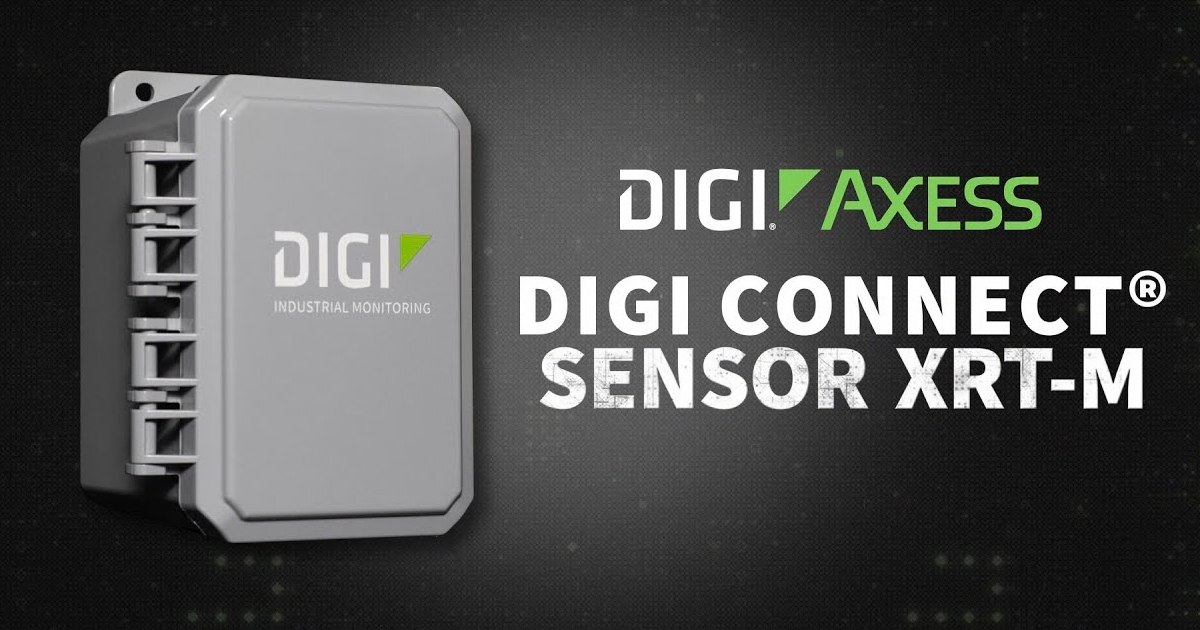
Digi International's Connect Sensor XRT-M Resolves Key Industry Challenges
IoT company Digi International recently announced the launch of the Digi Connect Sensor XRT-M, powered by Digi Axess.
Read More
Healthy Industrial Growth: ABI Research Underpins Demand for Private Cellular IoT/IIoT Connections as Markets Adapt
According to a new report from global technology intelligence firm ABI Research, the manufacturing and transportation industr…
Read More
Liongard Strengthens Partner Experience with Launch of AI-Powered Leo
Liongard took its user support to the next level with the introduction of Leo, an AI-powered virtual assistant.
Read More
A Look at Looq AI's Digital Twins Platform, its Successful $3.75M Funding, and What's Next
Earlier this year, Looq AI launched its digital twin-esque platform and also succeeded in its funding endeavors, paving the w…
Read More
Autonomous and Sensor Technology: A Resilient Rebound on the IoT Horizon
New data from AltIndex (supplemented by data from Statista Market Insights) sheds light on the global market for autonomous a…
Read More